

Steel Mind Books
Sigmund Freud – Cocaine and its Psychic Effects
Sigmund Freud – Cocaine and its Psychic Effects
IMPORTANT: this is a digital e-book
- You’ll receive it by e-mail immediately after purchase.
- Includes 2 formats: EPUB and PDF.
- You will receive it in ENGLISH, but you can also read it in one of the other five major languages: italian, french, german, spanish, and portuguese.
All editions are included in the same download: simply open the folder of your preferred language.
No physical shipment: instant reading, zero waiting.
Couldn't load pickup availability
Want the book in print?
- You can also find the paperback edition on Amazon.
Perfect if you love reading with the scent of paper in your hands.
Freud, Cocaine and Modern Thought: An Inquiry at the Border Between Medicine and Mind
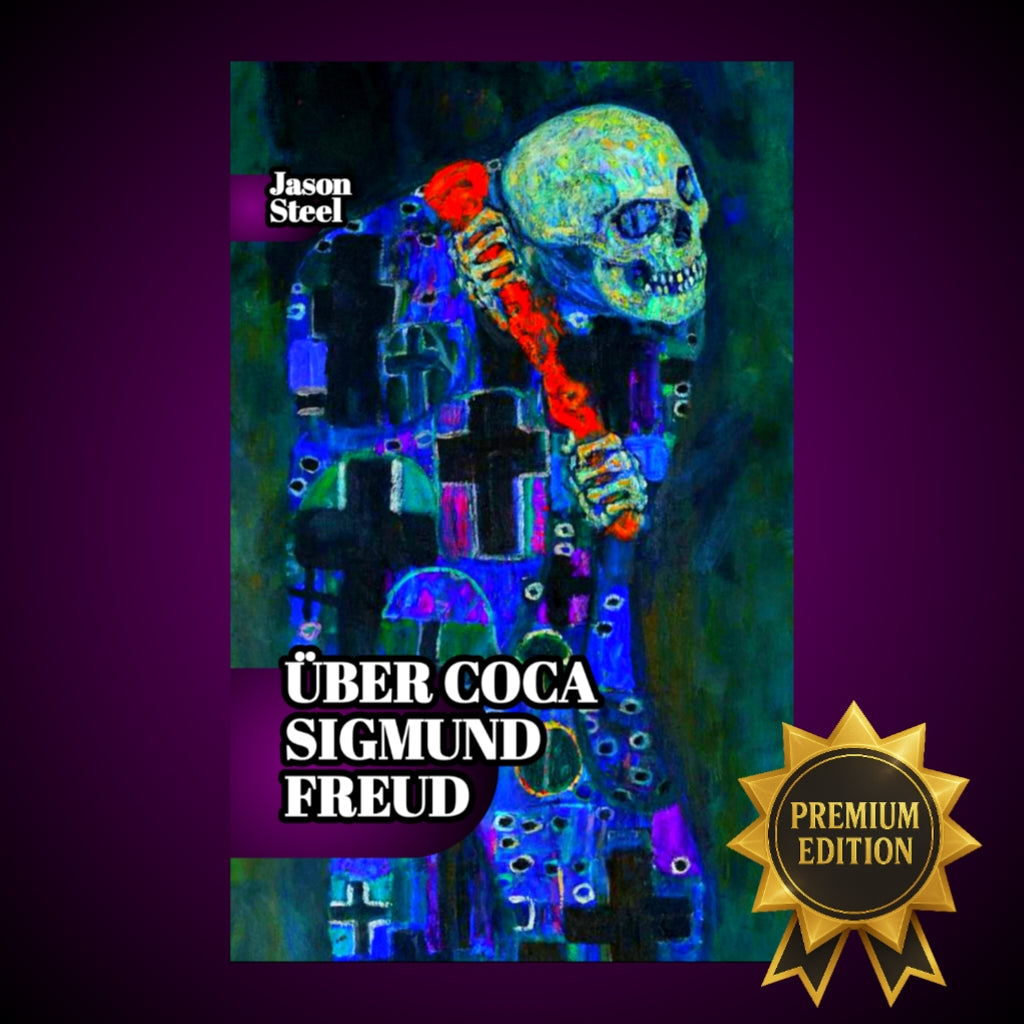
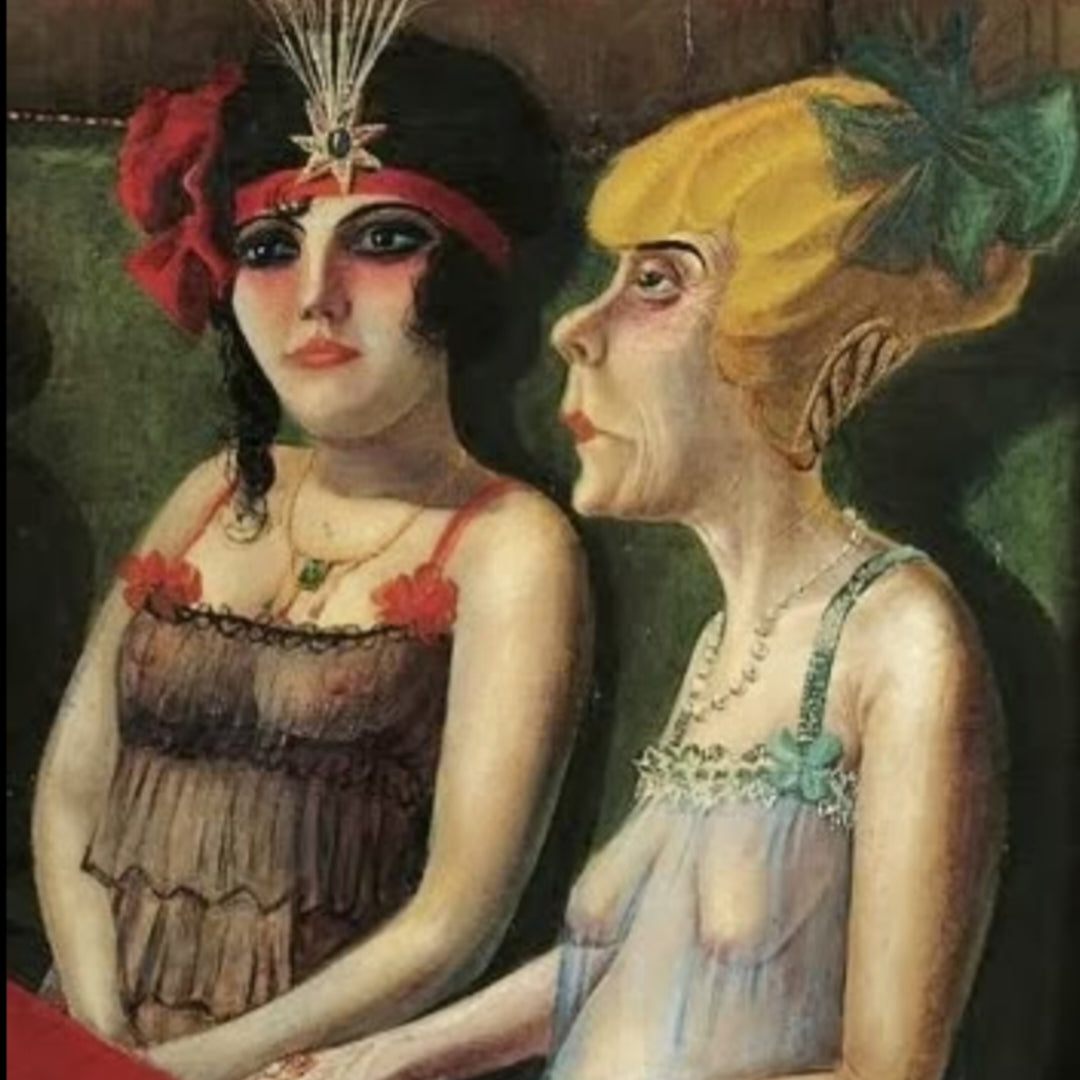
This Premium Edition contains two unpublished additional chapters and exclusive original illustrations created for this version.
--Details and Specifications
- Format: Digital (Kindle / EPUB / PDF)
- Pages: About 150
- Intended for: readers passionate about science, medicine, psychoanalysis, and the history of modern thought
- Language: Italian
- Year of publication: 2025
- Publisher: Steel Mind Books – Jason Steel
What You Will Find in This Book
- A clear, modern, and readable version of the famous essay Über Coca
- Chronological and scientific analysis of Freud’s discoveries
- Sections dedicated to the effects of cocaine on body, mind, and mood
- A psychological investigation into the young Freud
- Two exclusive Premium chapters
- A book that combines historical dissemination and psychoanalytic depth
📘 Click to view the chapter index
- 1 – Introduction: the essay Über Coca in the scientific context of the 19th century
- 2 – The coca plant: origin, traditional use, botanical composition
- 3 – Isolation of cocaine: chemistry and early studies
- 4 – Immediate physiological effects of cocaine
- 5 – Psychic and emotional effects
- 6 – Therapeutic applications proposed by Freud
- 7 – Freud’s self-experimentation
- 8 – Clinical use on patients
- 9 – Letters (I): intense enthusiasm and first impressions
- 10 – Letters (II): description of personal physical and mental sensations
- 11 – Letters (III): caution and first concerns
- 12 – Letters (IV): influence on friends, colleagues, and therapeutic ambitions
- 13 – Early warnings and limitations in the original text
- 14 – Evolution of Freud’s thought: from essay to criticism
- 15 – Modern analysis: conceptual errors and toxicology
- 16 – Conclusion: the legacy of Über Coca today
📗 Click to view Premium contents
- 17 – Cocaine in Vienna’s salons: myth, fashion, and bourgeois morality
- 18 – Freud, addiction and the unconscious: a retroactive psychoanalytic reading
Excerpt from the Book
Cocaine heightens perception, stimulates physical activity, removes fatigue, and enhances thought.
Freud studied it as one studies a love: with enthusiasm, with rationality, with a growing need to understand and justify what was already transforming him.
Why You Should Read It
- Because it’s a unique look at an unknown, young, and human Freud
- Because it speaks of science and desire, medicine and morality, addiction and fascination
- Because the shadow of cocaine still crosses the boundaries between therapy and pleasure
“It wasn’t just a drug. It was a mirror. And Freud looked right into it.”
— Steel Mind Books
Extended Description
Über Coca is not just a historical document. It’s the portrait of a young Freud who searches, discovers, makes mistakes, gets excited, and defends himself.
Through personal experiments, clinical observations, and private letters, it reveals a mind still in formation — fragile yet visionary.
This edition is a clear and accessible rewrite that finally makes one of the most controversial texts of 19th-century medicine and psychology readable.
It’s not a celebration of cocaine, nor a moral condemnation. It’s an attempt to understand why Freud was so drawn to that substance, what it represented for him, and what consequences it had on his thought — and on his life.
The Premium chapters expand the reflection: on one hand, the social role of cocaine in Vienna’s intellectual circles; on the other, a psychoanalytic provocation — what would the mature Freud have said about his own cocaine-using self?
A reading that unites body, mind, history, and destiny.
Share
